
You run a small electronics shop and have five refurbished laptops to sell. You list them online, and within hours, the messages start coming in.
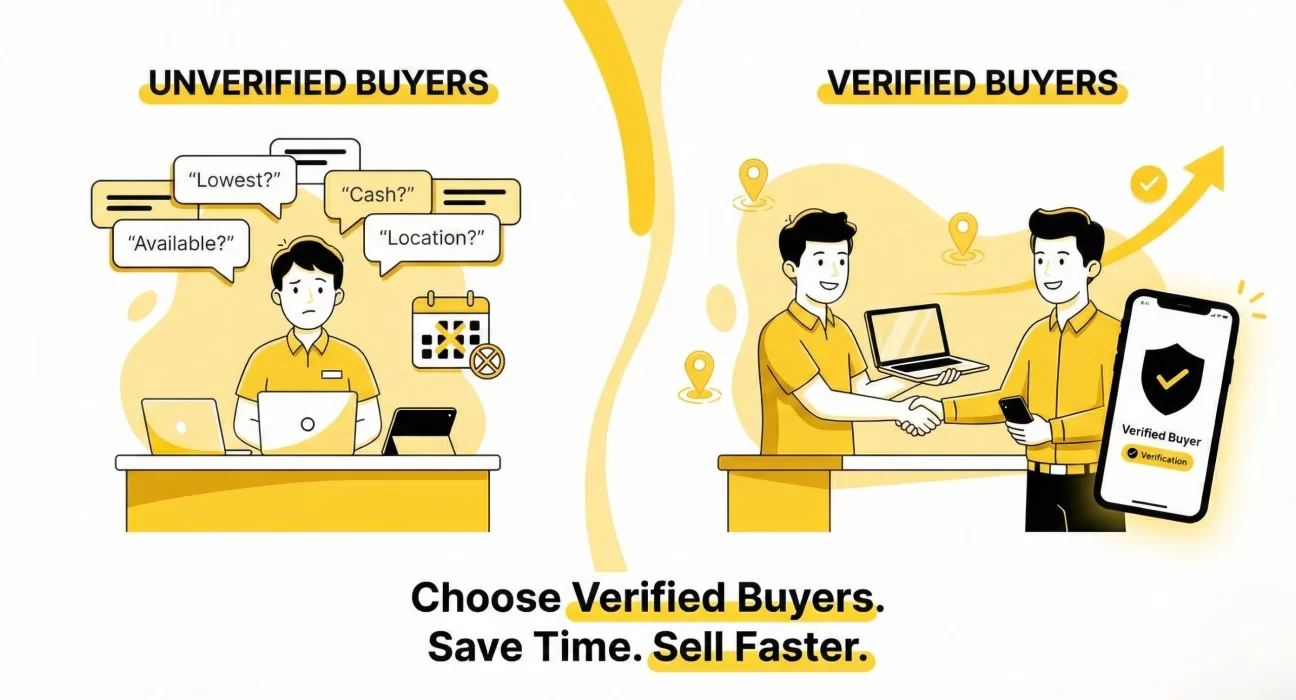
Some buyers ask detailed questions, suggest inspection times, and seem genuinely interested. Others send vague messages, make unrealistic offers, or confirm visits and never show up.
After dealing with three no-shows in a week, you start wondering: is there a way to tell who’s actually serious before you waste your time?
This is why businesses – whether it’s a small shop, a home-based seller, or someone clearing inventory – value knowing they’re dealing with real, committed buyers. Not profiles created five minutes ago. Not people who ghost after wasting your afternoon. Actual buyers who follow through.
When you buy and sell locally through simple classifieds like Sympl, connecting with verified or serious local buyers becomes easier. You’re not just throwing listings into the void and hoping for the best – you’re engaging with people who have a track record of completing transactions.
The Problem with Anonymous, Unverified Buyers
On most large platforms, anyone can create an account in seconds and start messaging sellers. No verification, no history, no accountability.
For individual sellers, this is annoying. For businesses trying to move inventory efficiently, it’s a real operational problem.
You can’t distinguish serious buyers from time-wasters
When every buyer looks the same – just a name and a generic profile – you have no way to prioritize who to respond to first.
The person asking thoughtful questions might be a serial no-show. The person who seems casual might be your most reliable buyer. You won’t know until after you’ve invested time.
No-shows waste valuable time
You block out time for a buyer to visit your shop. You prepare the items for inspection. You turn away other potential buyers because this slot is booked. Then they don’t show up. No call, no message, nothing. For a business, this isn’t just frustrating – it’s a lost opportunity. That time could have been spent with an actual buyer or on business operations.
Lowballers hide behind anonymity
Some buyers send extreme lowball offers to dozens of sellers, knowing there’s no consequence. If you reject them, they just move to the next listing. They’re not evaluating your item fairly – they’re using anonymity to test who’s desperate enough to accept any offer.
Scam risks increase with zero accountability
Unverified buyers sometimes attempt payment fraud, show up with counterfeit notes, or create other issues. When there’s no verification or transaction history, sellers have no protection or way to assess risk.
When you sell items fast through local classifieds that encourage buyer accountability – whether through verification, transaction history, or community trust mechanisms – these problems reduce significantly.
What Makes a Buyer “Verified” or Trustworthy
Verification doesn’t have to mean complex bureaucracy. It’s about having some basic accountability that shows the buyer is real and serious.
They have a transaction history
A buyer who’s successfully completed purchases before is more likely to complete the next one.They understand the process, they follow through, and they’ve built a track record. For businesses, this is valuable information. It’s the difference between someone who’s bought ten items locally and someone with a brand-new profile asking you to hold inventory for them.
Their profile shows real engagement
Real buyers have complete profiles – actual names, verified phone numbers, perhaps reviews or ratings from previous sellers. Compare this to profiles with no information, throwaway email addresses, or accounts created the same day they’re messaging you. One signals a real person engaging in genuine commerce. The other signals potential issues.
They communicate clearly and professionally
Verified or serious buyers ask specific questions, provide context, and communicate like adults conducting business.
“I’m interested in the laptop for my daughter’s college work. Can I come inspect it Saturday morning at 10?” versus “Lowest? Final price?”
The first is likely a real buyer. The second could be anyone.
They respect your time and follow through
When they say they’ll visit at 4 PM, they show up at 4 PM. If plans change, they inform you in advance. This reliability matters enormously for businesses managing schedules and inventory.
Why Businesses Value Buyer Verification
For someone selling one or two personal items, dealing with a few time-wasters is manageable. For businesses selling multiple items or regularly clearing inventory, it’s a different story.
Time is money in business operations
Every hour spent on buyers who don’t show up is an hour not spent serving actual customers or managing operations. When you can identify reliable buyers upfront, you allocate time more efficiently. You prioritize verified buyers for inspections, knowing they’re more likely to complete the purchase.
Inventory management becomes predictable
When a verified buyer says they’re coming to buy your washing machine, you can confidently mark it as “pending” and stop fielding other inquiries.
With unverified buyers, you never know. Do you keep responding to other interested parties just in case? Do you risk double-booking? The uncertainty complicates inventory management.
Reduced risk of fraud or payment issues
Verified buyers with transaction histories are less likely to attempt scams or payment fraud. They’ve completed legitimate transactions before. They’re not testing schemes on you.
For businesses, especially those dealing with higher-value items like electronics or bikes, this risk reduction matters.
Better customer service for serious buyers
When you’re not overwhelmed managing flaky inquiries, you can provide better service to the buyers who actually matter. You respond faster, accommodate their schedules, answer questions thoroughly, and build relationships that lead to repeat business or referrals.
Builds reputation through reliable transactions
When businesses consistently deal with verified, serious buyers, transactions go smoothly. This builds the business’s own reputation. Good buyers leave positive feedback or reviews. Word spreads in the local community.
Your credibility grows.All of this becomes harder when you’re constantly dealing with no-shows and problematic buyers.
How Local Platforms Support Buyer Verification
Different platforms approach verification in different ways, but the principle remains: creating accountability that benefits both buyers and sellers.
Phone number verification establishes basic identity
When buyers verify their phone number, they’re proving they’re at least reachable and accountable. It’s harder to create multiple fake accounts or ghost sellers when your actual phone number is attached. This simple step filters out a lot of low-effort, bad-faith actors.
Transaction history builds trust
Platforms like Sympl can show when a buyer has successfully completed previous purchases. For sellers, this is invaluable information. You’re not taking a blind chance – you’re dealing with someone who has a track record.
Ratings and reviews create reputation systems
When buyers can be rated by sellers (and vice versa), behaviour improves on both sides.Buyers who consistently no-show or lowball get negative ratings. Sellers prioritize buyers with positive histories.This creates a self-regulating system where good actors thrive and bad actors get filtered out.
Local focus adds natural accountability
When you buy and sell locally, there’s inherent accountability because both parties are part of the same community.
A buyer ghosting a local seller risks damaging their reputation in the area. This social pressure doesn’t exist in anonymous national marketplaces. Platforms that emphasize local connections benefit from this natural trust mechanism.
Practical Benefits for Sellers Working with Verified Buyers
Less time on unproductive conversations
When you can identify serious buyers through verification markers, you respond to them first.
The vague “Price?” messages from unverified accounts can wait or be ignored. Your energy goes to buyers who are likely to convert.
Faster sales completion
Verified buyers move through the process efficiently. They inspect, decide, and complete purchases without drama.
This means you sell items fast and can focus on your next batch of inventory or other business priorities.
Reduced stress and frustration
Knowing the buyer you’re dealing with has completed transactions before reduces anxiety. You’re not wondering if they’ll show up, if the payment will go through, or if they’re legitimate. The transaction feels more secure.
Better pricing power
When you’re dealing with quality, verified buyers rather than desperate lowballers, you maintain better pricing.
Serious buyers pay fair prices for items they’ve inspected and want. You’re not pressured into accepting unreasonable offers.
Who Benefits Most from Verified Buyer Systems
Small businesses selling regularly
If you’re clearing inventory weekly or monthly, dealing with verified buyers saves enormous time and reduces operational headaches. You can run a leaner, more efficient selling operation when you’re not constantly managing no-shows and problem buyers.
Home-based sellers with limited time
When you’re juggling business and household responsibilities, you can’t afford to waste time on unreliable buyers.
Verification helps you focus on serious inquiries without burning hours on people who’ll never follow through.
Sellers of high-value items
If you’re selling expensive electronics, bikes, or appliances, verification reduces fraud risk. You’re more comfortable scheduling inspections and holding items when you know the buyer has a legitimate history.
First-time business sellers
If you’re new to selling, verification systems provide guidance on who to prioritize. Instead of learning through painful experiences which buyers avoid, the platform helps you identify reliable ones from the start.
Building Trust Through Local Connections
Verification isn’t just about platforms adding features. It’s about creating an environment where trust can develop naturally. When you buy and sell locally, several trust mechanisms work together:
Geographic proximity creates natural accountability. You’re dealing with people in your community, not anonymous strangers across the country.
Repeat interactions build relationships. A buyer who purchases from you once might return for other items, creating ongoing trust.
Shared local context means both parties understand neighborhood norms and expectations. There’s a common ground that makes transactions smoother.
Direct communication allows you to assess buyer seriousness through conversation, not just profile metrics. Platforms like Sympl support these natural trust mechanisms by keeping everything local. You’re not just seeing verification badges – you’re connecting with real people in your area who have reputations to maintain.
Verification Protects Buyers Too
It’s worth noting that verification isn’t just about protecting sellers. Serious buyers benefit as well.
When they have verified profiles and positive transaction histories, sellers take them more seriously. They get faster responses, better service, and first priority when multiple buyers are interested.
It’s a system that rewards good behavior on both sides, making the entire marketplace more efficient and trustworthy.
Conclusion:
Businesses prefer verified buyers because verification solves real operational problems. It saves time, reduces risk, and makes inventory management predictable.
When you can trust that the buyer who says they’re coming at 4 PM will actually show up, you can plan your day. When you know they have a history of completing purchases, you can hold inventory confidently.
This isn’t about creating barriers or making buying difficult. It’s about building an environment where serious local buyers and sellers can connect efficiently, without the noise and frustration of dealing with flaky, anonymous accounts.
When you buy and sell locally through platforms that encourage accountability – through verification, transaction history, or community trust – everyone benefits. Sellers move inventory faster, buyers get better service, and transactions happen smoothly.
That’s the practical value of verification. It’s not a fancy feature – it’s a solution to the real problems businesses face when selling online.