
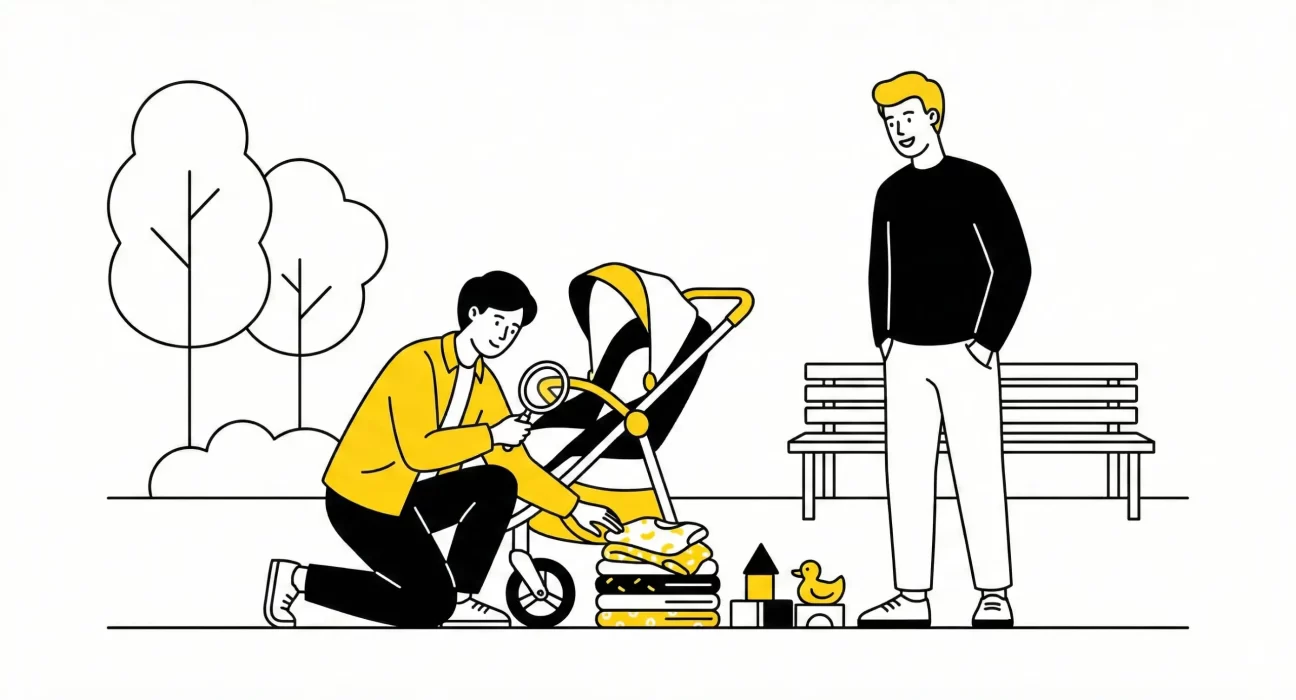
Your child has outgrown the crib, the stroller sits unused in the corner, and cupboards overflow with clothes that no longer fit.
These items are in good condition. They’re clean, functional, and could easily be used by another family. But they’re taking up space you need, and buying new things for the next stage means you’d like to recover some of what you spent.
Most online platforms make selling kids’ items feel complicated. They ask for detailed descriptions, shipping arrangements, and dealing with buyers from across the country who might haggle endlessly or never follow through. And because kids’ items often sell for modest amounts, the effort doesn’t always feel worth it.
Local classifieds offer a simpler path. You connect with parents nearby who are looking for exactly what you’re selling. They come see the items, check the condition, and buy what works for them. The transaction stays straightforward, and items move quickly to families who need them.
Why Selling Children’s Products Needs Care
Kids’ items are different from other second-hand goods because safety and hygiene matter more.
Parents buying for their children want to know that cribs don’t have broken parts, that toys don’t have sharp edges, and that clothes are clean and stain-free. They’re cautious, and rightfully so.
This means you can’t just list items without thinking about the condition. A phone with a scratch still works fine, but a baby carrier with a worn strap is a safety risk. A stained shirt might be acceptable for an adult, but parents hesitate to buy visibly stained kids’ clothes.
The challenge is selling honestly, describing items accurately, showing real condition, and pricing fairly based on wear. Some sellers try to hide flaws to make a sale, but this damages trust and creates problems later.
When you sell responsibly, you’re not just making money. You’re helping another family access good quality items at affordable prices while ensuring safety and cleanliness aren’t compromised.
Items Parents Look For Locally
Certain kids’ items sell faster than others when you buy and sell locally.
Baby furniture
Cribs, cots, changing tables, and high chairs are expensive but have short usage periods. Parents look for these in good condition locally because shipping large furniture doesn’t make sense.
Strollers and prams
These are bulky and costly when new. A well-maintained stroller from a local seller saves parents significant money. Buyers want to see it in person, test the wheels, check the fabric, and ensure all safety features work.
Clothes in good condition
Kids outgrow clothes within months. Parents constantly need next-size-up clothes and are happy to buy gently used items that look clean and presentable. School uniforms sell particularly well locally.
Toys and books
Educational toys, building blocks, puzzles, and children’s books retain value. Parents prefer buying these locally so they can check for missing pieces or damage before purchasing.
Baby gear
Car seats, baby carriers, playmats, and walkers sell well if they’re clean and functional. Safety is paramount with these items, so in-person inspection matters.
Sports equipment
Bicycles, cricket bats, badminton rackets, and skating gear that kids outgrow quickly find ready buyers among parents looking for affordable options.
Understanding what sells helps you focus on items worth listing instead of trying to sell everything at once.
Preparing Items Before Listing
Responsible selling starts with proper preparation.
Here’s what to do before posting anything:
Clean thoroughly
Wash clothes, wipe down toys, clean stroller fabric, and dust furniture. Items should look and smell fresh. Parents won’t buy things that appear dirty or unhygienic, no matter how low the price.
Check for safety issues
Examine cribs for loose screws or broken slats. Test stroller brakes and harnesses. Look for sharp edges on toys or furniture. If something has a safety concern, either fix it or don’t sell it.
Remove stains when possible
Some stains come out with proper washing. Try treating stubborn marks before deciding to sell. If stains remain, be honest about them in your listing.
Test functionality
Make sure toys with batteries work. Check that stroller wheels roll smoothly. Verify that furniture pieces are stable. Don’t sell broken items hoping buyers won’t notice.
Gather all pieces
If a toy set has multiple parts, include everything. If a crib came with a mattress, mention whether it’s included. Missing pieces reduce value and buyer interest.
Take honest photos
Photograph items in good lighting. Show any wear, fading, or minor damage clearly. Parents appreciate transparency more than perfect-looking photos that hide problems.
Preparation takes time, but it builds trust and helps you sell items fast without disputes later.
How Local Selling Benefits Everyone
When you connect with local buyers and sellers, selling kids’ items becomes much simpler.
Parents buying for their children want to see items in person. They need to check size, quality, and safety features before deciding. This isn’t about being difficult, it’s about making sure what they buy is appropriate for their child.
Meeting locally allows this. You show them the item, they examine it, ask questions, and decide if it suits their needs. Children grow differently, and what fits one two-year-old might not fit another. Seeing items physically eliminates this uncertainty.
This direct interaction also builds trust naturally. You’re not an anonymous seller online. You’re another parent in the same city, dealing with the same space constraints and outgrown items. This shared experience creates understanding on both sides.
And because everything happens locally, there’s no shipping to arrange. Baby furniture and strollers are awkward to pack and expensive to courier. Meeting nearby eliminates this entirely, the buyer collects items themselves, usually within a day or two of agreeing to buy.
Pricing Kids’ Items Fairly
Children’s items shouldn’t be priced like new because they’ve been used, but pricing too low undervalues them.
A reasonable approach considers original cost, usage duration, and current condition.
Clothes worn once or twice for special occasions can sell for 40–50% of original price if they’re in excellent condition. Daily-wear clothes in good shape typically go for 20–30% of retail price.
Baby furniture and gear that’s been used for a year or two usually sells for 30–50% of what it cost new, depending on condition. Well-maintained, branded items hold value better than generic ones.
Toys and books in good condition generally sell for 30–40% of original price. Educational toys from reputed brands command better prices than basic plastic toys.
When you buy and sell locally, pricing becomes more realistic because you see what other parents in your area are asking. You’re not competing with commercial sellers or trying to ship across India. You’re simply offering used items to nearby families at prices that make sense for both sides.
If buyers point out wear you didn’t notice or mention that similar items are cheaper elsewhere, be open to adjusting the price. The goal is completing the sale quickly, not squeezing every possible rupee.
Who Benefits from This Approach
Selling kids’ items locally works well for specific situations and people.
Parents of growing children
If your child is moving from baby stage to toddler, or from toddler to preschool, you’re constantly dealing with outgrown items. Selling locally helps you clear space and recover some costs for the next round of purchases.
Families with multiple kids
Even when items get passed from one child to the next, eventually you’re done with them. Local selling lets you clear accumulated baby gear without the hassle of complicated online sales.
Parents downsizing
If you’re moving to a smaller home or a different city, selling bulky kids’ items locally before the move makes practical sense. You avoid transport costs and the hassle of carrying things you don’t need anymore.
Budget-conscious families
Both sellers and buyers benefit. Sellers recover money spent on expensive items that were used briefly. Buyers access quality kids’ products at low-cost prices, making parenting more affordable.
Anyone who values straightforward transactions and wants to ensure items go to families who’ll actually use them will find this method more satisfying than dealing with distant, anonymous buyers.
Safety and Hygiene Standards to Maintain
Responsible selling means never compromising on safety or hygiene.
Some items shouldn’t be sold second-hand at all:
Expired car seats
Car seats have expiry dates because plastic degrades over time. Never sell an expired car seat, even if it looks fine. This is a critical safety issue.
Damaged safety gear
If a crib has broken parts, a stroller has malfunctioning brakes, or a baby carrier has torn straps, don’t sell these items. The risk isn’t worth it.
Heavily stained or unhygienic items
Items with permanent stains, odours that won’t come out, or visible dirt shouldn’t be sold. Parents have every right to expect clean items for their children.
Recalled products
If you know an item was recalled for safety reasons, don’t sell it. Check manufacturer websites if you’re unsure about older items.
For everything else, maintain basic standards:
- Ensure all safety features function properly
- Clean items thoroughly before showing them
- Mention any wear, fading, or minor issues honestly
- Include original instructions or safety information if you still have them
- Be transparent about age and usage history
These standards protect buyers and help you sell with a clear conscience.
Making the Transaction Smooth
Once you connect with an interested buyer, keep the process simple.
Arrange to meet at a convenient public location, a park, a community space, or near a residential area you’re both familiar with. For large items like furniture, buyers might prefer coming to your home to avoid transport difficulties. Use your judgment based on what feels safe and practical.
Let buyers examine items properly. If they’re buying clothes, they might want to check sizes and fabric quality. If it’s a stroller, they’ll test folding mechanisms and wheels. This is normal and expected. Don’t rush them.
Answer questions honestly. If they ask how long you used something or why you’re selling, give straightforward answers. If they notice wear you didn’t mention, acknowledge it and adjust the price if needed.
Most transactions happen through cash or UPI. Payment happens after the buyer has seen and approved the item. Some buyers bring their children along to check if clothes fit or if toys interest them; this is a good sign they’re serious.
If you’re selling multiple items, consider offering a small discount for buying several things together. This clears more items for you and saves the buyer money.
Why Sympl Classifieds Work Better for Kids’ Items
Crowded marketplaces mix individual parents with commercial sellers who list hundreds of kids’ products.
Your genuine, gently-used items compete with bulk sellers, wholesale dealers, and stores offering brand-new products. Finding real parent-to-parent deals becomes difficult when professional listings dominate search results.
Sympl classifieds focus on local, direct connections. When parents search for kids’ clothes or baby furniture in your area, they see listings from real families, people selling items their own children outgrew, not businesses running operations.
This creates more trust and more realistic pricing. No commercial markup or pressure tactics. Just parents helping other parents access good quality kids’ items at affordable prices.
For sellers, this means selling items fast without competing with commercial operations or paying listing fees. For buyers, it means finding genuine second-hand items from families they can meet and talk to before buying.
Moving Forward Responsibly
Selling kids’ items locally keeps the process honest and straightforward.
You prepare items properly, photograph them accurately, and price them fairly based on actual condition. Buyers come to see everything in person, which eliminates misunderstandings and builds natural trust.
You clear space in your home and recover some money to put toward things your child needs now. The items go to families who’ll use them, instead of sitting unused or ending up discarded.
And because everything happens nearby, the transaction stays simple. One meeting, one honest conversation, one fair exchange. No shipping complications, no endless negotiations with distant buyers, no wondering if you described things accurately enough.
This is how local buying and selling works for families: practical, transparent, and built on the understanding that when it comes to kids’ items, safety and honesty matter more than squeezing out maximum profit. Both sides benefit when transactions are handled responsibly, and that’s what makes the whole system work.