
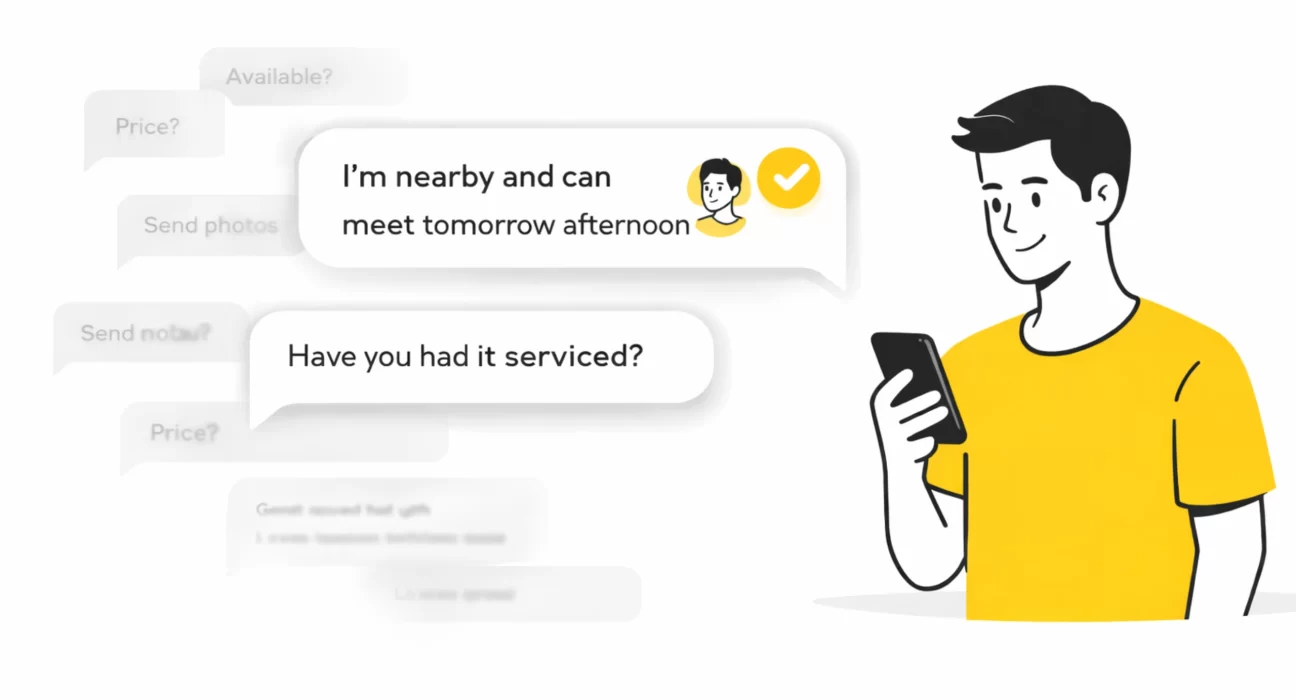
You’ve listed your old washing machine for sale. Someone messages asking if it’s available. You say yes. They ask for the price, even though it’s in the ad. You repeat it. They ask for photos, which are also already there. You send them again. Then… silence. Two days later, they message asking the same questions as if you’d never spoken.
This happens more often than it should. On crowded marketplaces, you spend hours responding to people who seem interested but never follow through. They’re not scammers they’re just browsing, comparing options, killing time, or haven’t decided if they actually want to buy. The problem is, you can’t tell the difference until you’ve already wasted your time.
When you buy and sell locally through Sympl classifieds, the process naturally filters out casual browsers. But knowing how to spot genuine buyers early helps you sell items fast without the frustration of endless dead-end conversations.
Why Casual Browsers Slow Down Your Sale
Not everyone who contacts you is ready to buy. Some people are in research mode. They’re checking what’s available, comparing prices across platforms, building a mental list of options. They might buy eventually, but not today, and maybe not from you. Others are just curious. They saw your ad, thought “that’s interesting,” and messaged without any real plan to purchase.It’s the online equivalent of window shopping. Then there are the chronic hagglers who contact every seller hoping someone will crack and offer a massive discount. They’re not interested in your item, specifically they’re interested in finding the cheapest deal anywhere.
None of this is malicious, but it creates noise. On large platforms where your listing competes with thousands of others, this noise is overwhelming. You can’t afford to spend equal time on everyone. You need to identify who’s serious so you can focus your energy there and actually close the sale.
Clear Signs a Buyer Is Serious
Genuine buyers behave differently from browsers. Here’s what to look for.
They ask specific questions that show they’ve read your ad: Instead of “Is this available?” they ask, “You mentioned a small scratch on the back can you send a close-up photo?” or “Does it still have the original charger?”
They mention their need or timeline: “I’m shifting next week and need a fridge urgently” or “My son’s college starts in two weeks, so I’m looking for a laptop now.” This context shows intent.
They confirm location early: Local buyers and sellers care about proximity. A serious buyer will say something like, “I’m in Indiranagar, is Koramangala convenient for you?” They’re already thinking about logistics.
They propose a time to meet: Within the first few messages, they’ll say, “Can I come see it on Saturday afternoon?” or “Are you free tomorrow evening?” They’re ready to move forward.
They’re responsive: When you reply, they get back to you within a reasonable time. The conversation flows. They’re engaged, not disappearing for days between messages.
They respect your terms: If you’ve said the price is firm, they might ask if there’s any flexibility, but they don’t push aggressively. If you’ve said no delivery, they accept it and plan to pick it up.
These behaviours signal commitment.
Red Flags That Someone’s Just Browsing
On the flip side, here’s what casual browsers typically do.
They ask questions already answered in the ad: This means they haven’t actually read it. They’re messaging multiple sellers with the same generic questions.
They’re vague about timing: When you ask when they’d like to see the item, they say “sometime next week” or “I’ll let you know.” No specifics, no commitment.
They disappear mid-conversation: You’re chatting, everything seems fine, and then they vanish. Days later, they might pop up again as if nothing happened.
They keep postponing: “Can we meet Saturday?” You agree. Friday night they say they can’t make it. You reschedule. They cancel again. After two or three rounds, it’s clear they’re not serious.
They haggle excessively without seeing the item: A genuine buyer might negotiate a bit, but they do it after inspecting what you’re selling. Someone who’s aggressively bargaining before even seeing photos or the actual item is usually just testing the waters.
They message late at night or at odd hours with casual questions: This often indicates they’re just scrolling through listings out of boredom, not actively shopping.
These patterns waste your time.
How to Filter Out Browsers in the First Few Messages
You don’t need a long conversation to figure out who’s genuine.
Ask a qualifying question early: When someone contacts you, respond with something like, “Thanks for your interest. When would you like to come see it?” Their answer tells you everything. If they give a specific day or time, they’re serious. If they dodge the question or stay vague, they’re probably not.
Confirm they’ve read the ad: If they ask about price or condition when it’s clearly stated in your listing, politely say, “All the details are in the ad, let me know if you have other questions.” This filters out people who aren’t paying attention.
Set clear expectations upfront: If you’re only available on weekends, say so. If the price is non-negotiable, mention it. Serious buyers will work within your terms. Browsers will lose interest, which is fine.
Don’t over-engage with vague enquiries: If someone sends a one-word message like “Available?” you can respond briefly: “Yes. Would you like to come see it?” Keep it simple. If they’re genuine, they’ll continue. If not, you’ve saved yourself a long conversation.
Trust your instinct after two or three exchanges. If the person seems disorganized, unresponsive, or keeps asking odd questions, you can politely end the conversation. “Let me know if you’d like to finalize a time to meet” is a good closing line that puts the ball in their court.
Most browsers will drop off at this point.
Why Local Buying and Selling Reduces Casual Interest
When you sell locally through simple classifieds, you’re already working with a more committed audience.
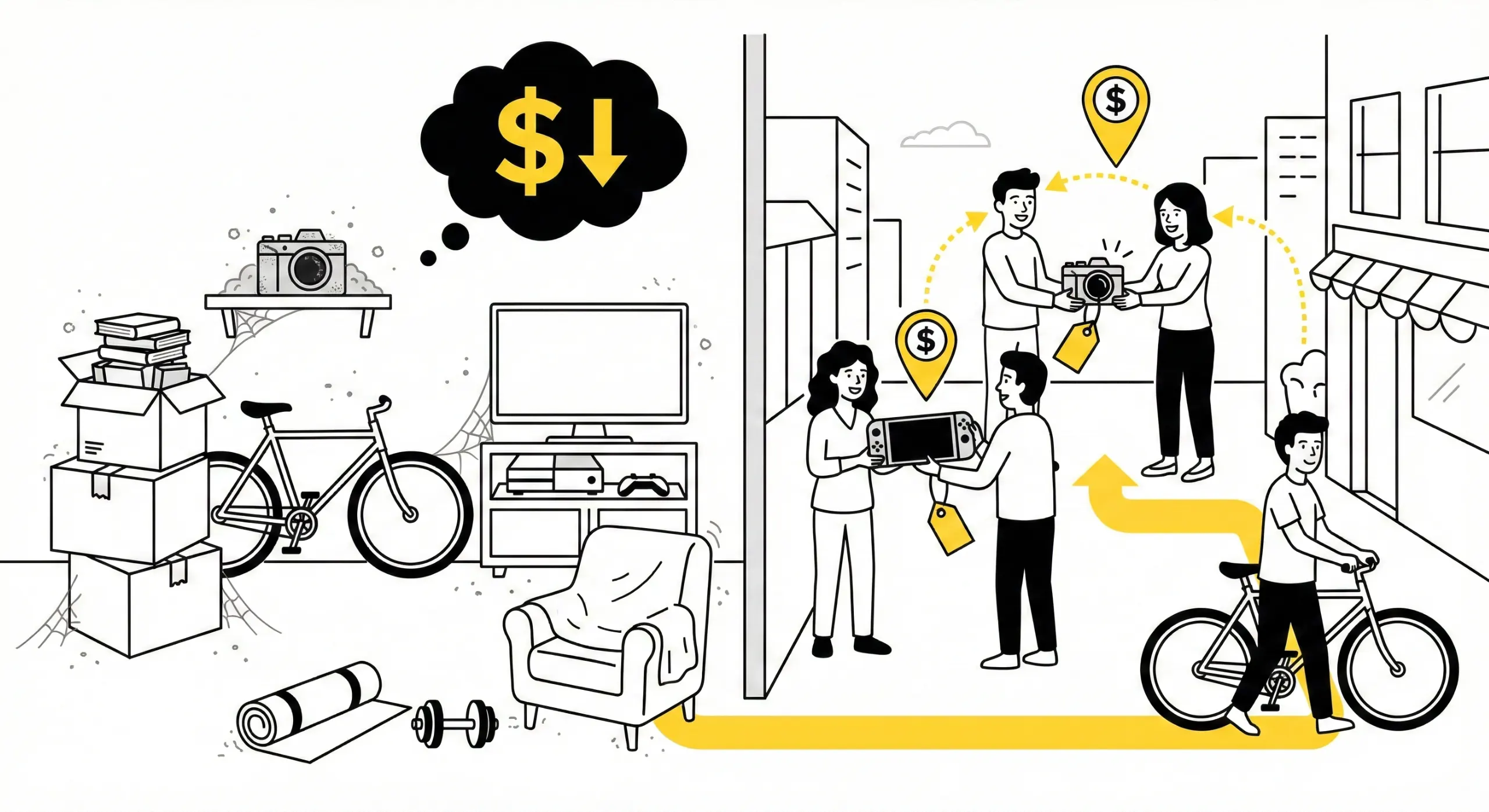
Geographic relevance. Your ad reaches people nearby who can actually pick up the item. This eliminates casual browsers from other cities who are just comparing prices with no intention to buy from you.
Face-to-face expectation. Local sales involve meeting in person. People who aren’t serious about buying won’t go through the effort of scheduling a meeting, traveling, and inspecting an item. That barrier weeds out a lot of casual interest.
Simpler process. There’s no room for complicated negotiations about shipping, payment gateways, or returns. It’s straightforward: meet, check, pay, done. This simplicity appeals to genuine buyers and discourages time-wasters.
Smaller audience, better quality. You get fewer enquiries overall, but they’re more relevant. It’s easier to manage five serious conversations than fifty vague ones.
The very structure of local classifieds favours people who are ready to transact.
Real Example: Spotting a Genuine Buyer
A student in Mumbai posted an ad to sell his bicycle before heading home for the summer. Over two days, he got six messages. Three were generic: “Price?” “Available?” “Send a pic.” He sent brief replies, but none of them followed up.
One person asked detailed questions about the bike’s condition, the brand, and whether he’d used it daily or just occasionally. Then they asked, “I’m in Bandra are you nearby? Can I see it this Saturday morning?”
That was clearly a serious buyer.Another person started with reasonable questions but then began haggling hard, offering half the asking price without even seeing the bike. The student declined, and the person stopped replying.
He focused on the serious enquiry. They met on Saturday at a neutral spot, the buyer inspected the bike, tested the brakes and gears, and paid the agreed price in cash. The whole thing took less than twenty minutes.Total time spent on the actual sale: minimal. Time wasted on browsers: also minimal, because he filtered early.
Who Benefits Most from Filtering Browsers Quickly
This approach is especially useful for certain groups.
Students who are selling items in a hurry before exams, semester breaks, or moving out. They don’t have bandwidth for long, dragged-out conversations with people who aren’t serious.
Families managing busy schedules and trying to sell appliances or furniture while juggling work and home responsibilities. They need buyers who show up when they say they will.
First-time sellers who find the process stressful and don’t know how to handle multiple enquiries. Focusing on one or two genuine buyers is far less overwhelming.
Working professionals who can only meet buyers on weekends or evenings. They can’t afford to waste those limited slots on people who don’t show up. Anyone who values efficiency and wants to sell items fast will appreciate knowing how to spot genuine interest early.
The Hidden Cost of Entertaining Browsers
Here’s what people don’t always calculate: every conversation with a casual browser costs you time, and time delays your sale.If you’re responding to ten people and only one is serious, you’re spending 90% of your effort on conversations that go nowhere.Meanwhile, that one serious buyer might be messaging other sellers too.If you’re slow to respond because you’re managing nine other pointless chats, you might lose them.
The longer your item sits unsold, the more pressure you feel to drop the price. Casual browsers don’t care about your timeline, but it affects you. By filtering early and focusing on genuine buyers, you close sales faster, often at better prices, because you’re not desperate.
How Sympl Supports Focused, Genuine Transactions
Sympl is designed around straightforward, local selling. The platform connects you with local buyers and sellers who are looking for simple, direct transactions. Because it’s not a massive marketplace with millions of listings, the people who reach out are generally more serious.
There’s no algorithm pushing your ad to random people across the country. Your listing reaches nearby buyers who can actually meet you and pick up the item. This naturally filters out a lot of casual interest. Someone browsing from another city with no real plan won’t contact you. Someone nearby who’s ready to buy will.The simplicity of the process post, connect, meet also discourages time-wasters who thrive on complicated platforms where they can string sellers along without commitment.
Building Confidence in Your Judgment
If you’re new to selling online, you might feel bad about cutting off conversations or ignoring certain messages.Don’t. Your time matters. You’re offering something for sale, and you deserve to deal with people who respect that. Genuine buyers won’t be offended if you ask direct questions or set clear expectations.
They’ll appreciate your clarity because it helps them plan too. Browsers, on the other hand, will drift away naturally when you stop feeding the conversation. That’s not rude it’s practical. Over time, you’ll get better at reading the signals within the first message or two. You’ll know who’s worth engaging with and who’s just scrolling. That confidence makes selling much less stressful.
Practical Tips for Managing Multiple Enquiries
Sometimes you’ll get several messages at once, and you’re not sure who to prioritize.
Respond to the most specific questions first: Someone asking detailed questions has clearly thought about the purchase. Start there.
Set a mental deadline for vague enquiries: If someone says “I’ll let you know,” give them a day or two. If they don’t come back, move on.
Don’t hold the item for someone who hasn’t committed: Unless they’ve fixed a time to meet and confirm it, keep entertaining other enquiries. “First come, first served” is a fair policy.
Keep responses short with browsers: You don’t need to write paragraphs to someone who’s sending one-word messages. Match their energy. If they’re serious, the conversation will develop.
Focus on one solid lead at a time: If someone’s clearly genuine and you’re close to finalizing, give them priority. Don’t juggle five conversations hoping one works out. Pick the best one and see it through.This keeps you organized and reduces wasted effort.
Time Savings of Dealing Only with Serious Buyers
Let’s talk about what this looks like in practice.If you entertain every enquiry equally, you might spend hours across several days managing chats, answering the same questions repeatedly, and coordinating with people who never show up.If you filter early and focus only on genuine interest, you might spend thirty minutes total and actually close the sale.
That’s not just time saved. It’s also less mental energy, less frustration, and more confidence that the process works. When you buy and sell locally, the smaller pool of enquiries makes this filtering easier. You’re not drowning in messages. You’re having real conversations with nearby buyers who are ready to act. That efficiency is one of the biggest practical benefits of Sympl classifieds.
Conclusion:
Knowing whether a buyer is genuine or just browsing isn’t about being practical.It’s about being practical.You can tell within a few messages based on how they communicate, whether they’ve read your ad, and if they’re willing to commit to a meeting time.
Casual browsers are easy to spot,they’re vague, unresponsive, and often disappear mid-conversation. Genuine buyers ask specific questions, confirm logistics, and move the conversation toward a transaction.When you sell locally through Sympl classifieds, you’re already working with a more focused audience. The geographic relevance and face-to-face nature of local buying and selling filter out a lot of casual interest naturally.
For students, families, and working professionals trying to sell items quickly without wasting days on pointless conversations, learning to filter early is essential.You get faster sales, better interactions, and the satisfaction of dealing with people who respect your time and are ready to buy.That’s what good local selling looks like efficient, straightforward, and grounded in real intent.