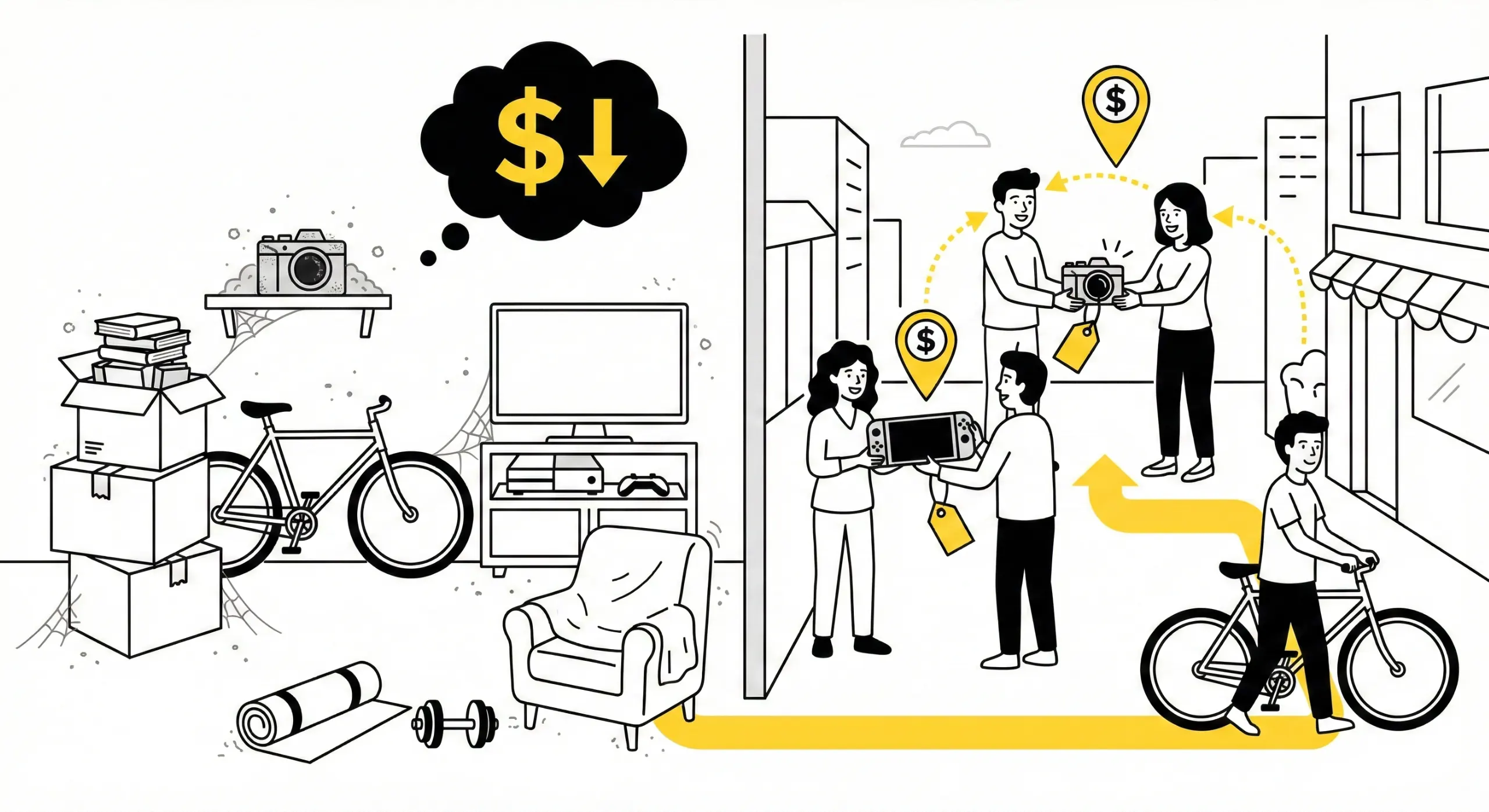


You’re trying to sell your old refrigerator on a massive platform with millions of listings. Your ad gets buried instantly. You compete with professional dealers, resellers, and hundreds of similar fridges listed across the country. Days pass with no serious enquiries, just spam and lowball offers. Meanwhile, your neighbour listed furniture on a smaller, local platform and sold it within a week to someone from the same area.
This is the paradox of online marketplaces: bigger isn’t always better. Large platforms promise reach, but they often deliver noise, competition, and complexity. Smaller marketplaces and simple classifieds that focus on local connections can feel more purposeful and deliver faster results without the chaos. Understanding why size isn’t everything helps you choose platforms that actually work for what you’re selling.
The Problem with Massive Marketplaces
Big platforms seem like the obvious choice. More users means more potential buyers, right?
In theory, yes. In practice, the experience is often frustrating.
Your listing disappears quickly: On platforms with thousands of new listings every hour, yours is visible for maybe a day before getting pushed down by fresh ads.
Competition is overwhelming: You’re competing with professional sellers who post multiple listings daily, use SEO tricks, and have advertising budgets. Your genuine, well-maintained fridge can’t compete with their volume.
Generic audience: Your listing reaches everyone, including people who can’t realistically buy from you – different cities, different states, people just browsing with no intention to purchase.
Noise drowns out signal: You get dozens of enquiries, but most are “Is this available?” messages, scam attempts, or people asking for unrealistic discounts without even seeing the item.
Platform complexity: Big marketplaces have algorithms, premium listings, featured ads, verification tiers – all designed to make money but adding layers between you and actual buyers.
The scale that’s supposed to help you ends up working against you.
Why Smaller Platforms Feel Different
Smaller, focused marketplaces operate on different principles.
Limited competition. Fewer sellers means your listing gets noticed. A buyer looking for what you’re selling will actually see your ad.
Relevant audience. Smaller platforms often focus on specific regions, cities, or communities. Everyone seeing your listing can realistically buy from you.
Higher quality enquiries. When platforms are less crowded, people using them are more intentional.They’re not casually browsing, they’re actively looking to buy.
Simpler interface. Without complex algorithms or premium features, it’s straightforward: post your item, buyers contact you, meet, transact.
Focused purpose. Smaller platforms usually serve a specific need, local buying and selling, particular categories, or community-based transactions. This focus attracts the right users.The reduced scale actually improves the experience for both buyers and sellers.
How Focus Beats Volume in Local Selling
When you’re selling everyday items, furniture, appliances, electronics, bikes, you don’t need millions of viewers. You need a handful of serious, nearby buyers.
Geographic relevance matters more than reach: One hundred local buyers who can pick up your fridge are infinitely more valuable than ten thousand browsers scattered across India.
Quality over quantity: Five serious enquiries that lead to meetings beat fifty messages that go nowhere.
Community aspect.\ Smaller platforms often develop community characteristics. Users become familiar with how it works, what’s fair, and how to transact smoothly.
Trust through size. Paradoxically, smaller user bases can build trust. When everyone knows the platform is local-focused, behaviour improves. Scammers prefer the anonymity of massive marketplaces.
This is why simple classifieds work they prioritize the right connections over maximum connections.
Real Example: Two Platforms, Different Experiences
A student in Delhi needed to sell a study desk and chair before semester break. She tried both a large marketplace and a smaller local platform.
Large Marketplace:
- Posted on Monday
- Within 24 hours: 30+ views, listing already on page 3 of search results
- Enquiries: 12 messages over four days mostly “Available?”, three people from other states asking about shipping, two obvious scams, one lowball offer
- Time spent: Hours responding to messages, explaining she’s not shipping, deflecting scammers
- Outcome: No sale after two weeks. She lowered the price twice out of desperation.
Smaller Local Platform (Sympl):
- Posted on Wednesday
- Over four days: Fewer views but all from her area
- Enquiries: 4 messages – all specific questions from nearby students
- “I’m in North Campus too – can I come see it this weekend?”
- “Does the chair height adjust? I’m interested if it does.”
- Met one buyer Saturday afternoon near her hostel
- Buyer inspected both pieces, negotiated a small discount, and arranged pickup for Sunday
- Outcome: Sale completed within 5 days at a fair price
The smaller platform’s focus made all the difference.
Why Buyers Also Prefer Focused Platforms
It’s not just sellers who benefit from smaller,focused marketplaces.
Less overwhelm: When searching for something specific, buyers on smaller platforms see relevant listings, not thousands of mixed results.
Local options are clearly visible: Instead of filtering through national listings, they immediately see what’s available nearby.
Faster decision-making: With fewer options but higher quality, buyers can assess and decide quickly rather than endlessly comparing.
Genuine sellers: Smaller platforms have fewer professional resellers gaming the system, so buyers connect with real people selling actual used items.
Better communication: Sellers on focused platforms tend to be more responsive and serious because they’re not managing overwhelming enquiry volumes.
For low-cost buying and practical local shopping, smaller marketplaces deliver better results.
The Role of Simplicity in User Experience
Smaller platforms often stay simple by necessity, and that simplicity is an advantage.
No algorithm confusion: You’re not trying to figure out how to make your listing “perform better” or wondering why it’s not showing up in searches.
Straightforward posting: Add photos, write a description, set a price, post. No premium features to consider, no boosting options, no complicated decisions.
Clear communication: Buyers contact you directly. No platform messaging systems that hide contact details or throttle conversations to keep you on the site longer.
Transparent pricing: What you list is what buyers see. No hidden platform fees or commission structures that affect your final earnings.
Less stress: The entire experience is calmer. You’re not competing for attention or worrying about algorithmic visibility.
This simplicity makes selling accessible even for first-time users.
When Large Platforms Still Make Sense
To be fair, big marketplaces have their place.
Rare or niche items: If you’re selling something unusual with limited demand—vintage collectibles, specialized equipment, rare books, you need a broader reach to find that one interested buyer.
Professional selling: If you’re running a business and selling multiple items regularly, large platforms offer tools and reach that justify their complexity.
National shipping capability: If you’re willing to ship anywhere and have the logistics sorted, large platforms can work.
Brand new items: Competing with retailers is easier on big platforms where buyers expect to compare many sellers.
But for most people selling used, everyday items locally, smaller focused platforms work better.
How Sympl Classifieds Cut Through the Noise
Platforms like Sympl focus on local connections through Sympl Classifieds.
No competition with dealers: You’re not fighting for visibility against businesses posting dozens of listings.
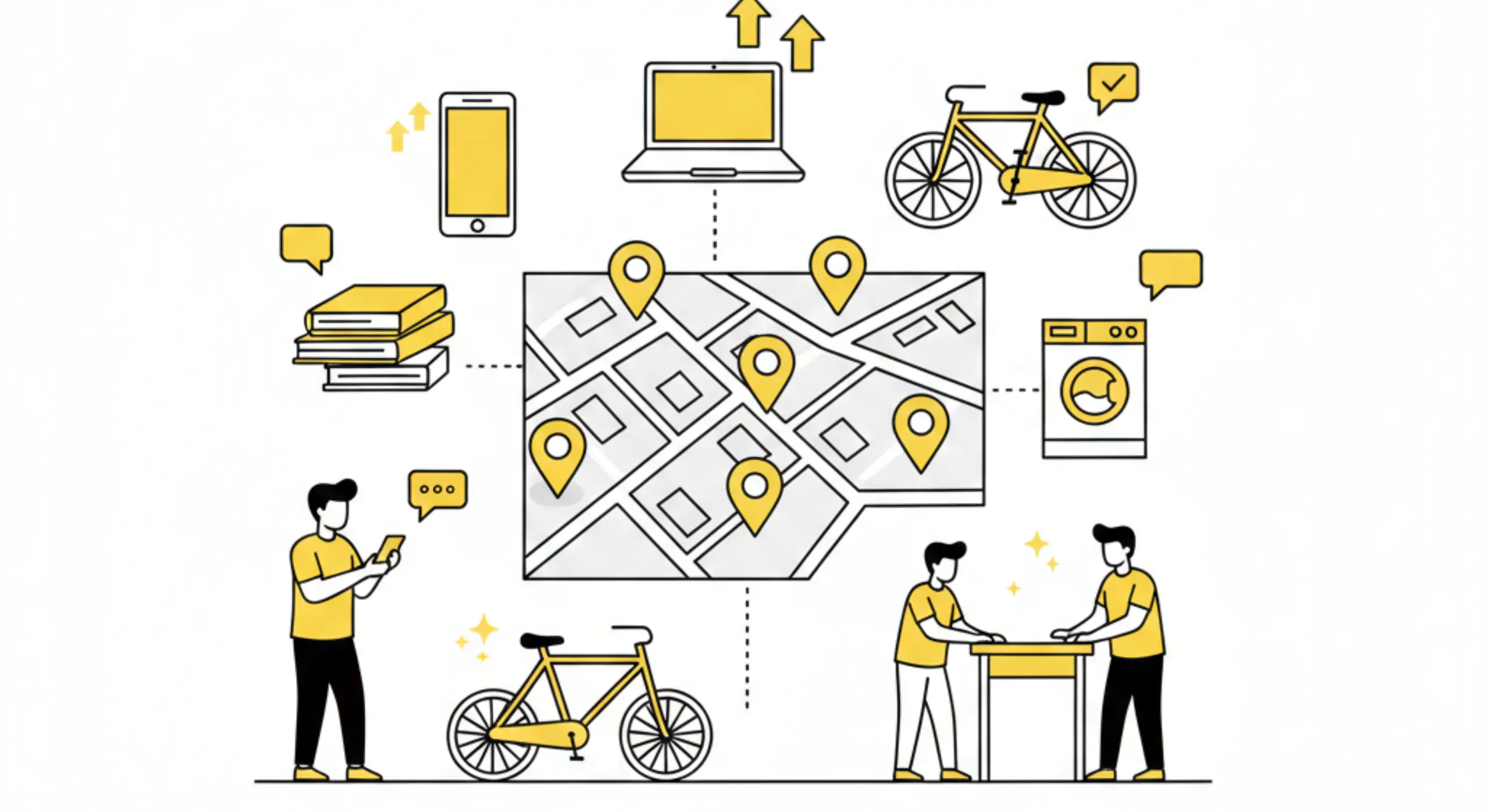
Geographic focus: Your ad reaches people in your city or area who can actually come pick up the item.
Direct contact: Buyers message you directly with genuine questions, not automated “is this available?” spam.
No premium features: You don’t need to pay to boost your listing or worry about it getting buried. Every listing gets fair visibility.
Transaction-focused: The platform exists to connect local buyers and sellers, not to maximize your screen time or extract subscription fees.
This focused approach helps you sell items fast without the frustration of massive marketplaces.
The Community Aspect of Smaller Platforms
Something interesting happens on smaller, focused platforms: community develops.
Shared understanding Users understand this is for local pickup, fair pricing, and straightforward transactions. These norms develop naturally.
Repeat usage When people have good experiences, they return. You start recognizing the vibe and knowing what to expect.
Better behaviour Smaller user bases mean accountability. Bad actors get noticed and avoided more easily than on massive anonymous platforms.
Local trust Even though you don’t know each other, there’s a sense of being part of the same local ecosystem. This improves interactions.
Word of mouth Small platforms often grow through recommendations from satisfied users, which maintains quality.
This community feel makes transactions smoother and more pleasant.
Who Benefits Most from Smaller, Focused Platforms
Certain groups find smaller marketplaces especially effective.
Students selling books, electronics, or furniture when moving. They need quick sales to nearby buyers without platform complexity.
Families clearing out appliances, children’s items, or household goods. They want straightforward transactions without competing against dealers.
Working professionals with limited time who value efficiency over reach. A few serious enquiries beat managing dozens of dead-end conversations.
First-time sellers intimidated by large platforms. Smaller marketplaces are less overwhelming and easier to navigate.
Privacy-conscious users who prefer focused platforms that don’t require extensive profiles or social media integration.
Anyone wanting to sell items fast without the noise of massive marketplaces.
If you value simplicity and actual results over theoretical reach, smaller platforms deliver.
Time and Mental Energy Comparison
Let’s talk about what using different platforms actually feels like over a week.
Large Marketplace:
- Constant notifications from enquiries, many irrelevant
- Checking and rechecking if your listing is still visible
- Frustration as it gets buried under new listings
- Managing dozens of low-quality conversations
- Stress from scam attempts and spam
- Pressure to lower prices as days pass without sales
Smaller Focused Platform:
- Periodic checks when convenient
- Listing remains visible to relevant audience
- Handful of quality conversations with serious buyers
- Lower stress, focused transactions
- Confidence that the right buyer will see it
- Fair pricing maintained because sale timeline is reasonable
The mental load difference is significant, especially when selling multiple items.
Practical Advantages of Local, Focused Platforms
Beyond just feeling better, smaller platforms offer tangible benefits.
Faster sales: With less competition and more relevant audiences, items often sell faster despite fewer total views.
Better prices: You’re not forced into price wars with dealers or desperate sellers on massive platforms.
Less fraud: Scammers prefer high-volume platforms where they’re anonymous. Smaller, local-focused platforms have fewer scam attempts.
Simpler negotiations: Dealing with serious local buyers means straightforward conversations and fair deals.
No shipping complications: Everyone expects local pickup, eliminating that entire category of enquiries and issues.
These aren’t theoretical they’re practical improvements people notice immediately.
How Sympl Embodies Focused Simplicity
Sympl is designed around these principles. The platform connects local buyers and sellers through straightforward classified ads. No algorithms deciding visibility, no premium listing fees, no complex features. You post what you’re selling, nearby people see it, they contact you, you meet and transact.
That’s the entire process. This simplicity isn’t a limitation it’s the core value. By focusing on local connections and stripping away everything else, the platform serves its purpose efficiently.
The Psychology of Smaller Marketplaces
There’s a psychological element to why smaller platforms feel better.
Reduced choice paralysis: For buyers, seeing 20 relevant options is easier than sorting through 200 mixed listings.
Perceived value: On massive platforms, identical items have wildly varying prices, creating confusion. On smaller platforms, pricing stabilizes around fair local market rates.
Accomplishment: Completing a sale on a smaller platform feels like an actual accomplishment, not just surviving a chaotic process.
Control: You feel more in control of the transaction rather than at the mercy of algorithms and massive competition.
Sanity: The experience is calmer, less frantic, more human.
These psychological factors affect whether you actually complete sales successfully.
Making the Choice Based on What You’re Selling
Here’s a practical guide for choosing platforms.
Use smaller, focused platforms for:
- Furniture and large appliances (local pickup essential)
- Electronics and gadgets (buyers want to test locally)
- Bikes and vehicles (registration and inspection requirements)
- Everyday household items (books, appliances, kitchenware)
- Children’s items (local demand, local buyers)
- Anything where local pickup makes the most sense
Consider large platforms for:
- Rare collectibles or specialized items
- Brand new products you’re willing to ship nationally
- Professional selling with multiple listings
- Items with very limited local demand
For most everyday buying and selling, smaller and focused wins.
Conclusion:
Bigger marketplaces aren’t necessarily better marketplaces. The reach they promise often comes with noise, competition, complexity, and stress that makes selling harder, not easier. Smaller, focused platforms especially those built around local connections through Sympl Classifieds, cut through this noise. They connect you with relevant, nearby buyers who can actually complete transactions, not thousands of casual browsers who’ll never buy from you.
For students, families, and working professionals trying to sell used items without the chaos of massive platforms, smaller marketplaces like Sympl offer practical advantages: faster sales, better enquiry quality, simpler processes, and less mental overhead.
It’s not about rejecting large platforms entirely. It’s about understanding that for most local buying and selling, focus beats volume, simplicity beats complexity, and relevance beats reach.
When you want to sell items fast to someone nearby who genuinely wants what you’re offering, a smaller platform that prioritizes these connections delivers better results than getting lost in a marketplace with millions of listings.
That’s why smaller sometimes works better – not despite its size, but because of it. The focus, simplicity, and local relevance that come with smaller scale are features, not limitations.