

Field Collection Tracking: How to Monitor Settlements in Real Time
A field executive collects payment from a customer at 11 a.m. The finance team doesn’t know about it until the next morning, if the executive remembers to report it at all. By then, the cash has already changed hands multiple times, the receipt is scribbled on a notepad, and nobody can say for certain how much money is actually in the field right now.
This is the reality for most businesses that rely on manual collection processes. Field collection tracking solves this by giving businesses live visibility into every payment collected, verified, and settled by field employees — as it happens, not a day later. Done well, it turns cash reconciliation from a stressful, error-prone chore into a routine, automated check.
In this article, you’ll learn what field collection tracking actually means, why traditional collection processes break down, and how businesses can move to a real-time system without disrupting their field operations.
What Is Field Collection Tracking?
Field collection tracking is the process of monitoring, recording, and reconciling payments collected by field employees — such as sales representatives, delivery agents, or collection officers — using a digital system instead of manual registers or spreadsheets.
It typically covers three stages:
- Collection — recording the payment at the point of collection (cash, cheque, UPI, or other modes).
- Verification — confirming the amount, customer, and location of the transaction.
- Settlement — reconciling what was collected against what is deposited or reported to the office.
When done digitally, each of these steps is logged with a timestamp, location, and employee ID, giving finance teams a live, auditable trail instead of end-of-day paperwork.
Why Manual Collection Tracking Fails
Most businesses don’t set out to run collections manually — it simply evolves that way as the field team grows. But manual tracking creates problems that compound over time.
1. Delayed Visibility Into Cash Flow
Without real-time reporting, businesses only find out how much cash is in the field once agents report back, often at the end of the day or week. This delay makes it harder to plan working capital or spot shortfalls early.
2. Reconciliation Errors
Registers get miscounted, receipts go missing, and figures don’t match between what the agent reports and what is actually deposited. Manual reconciliation is time-consuming and prone to human error.
3. Risk of Fraud or Leakage
When there’s no system tracking who collected what, when, and from whom, it becomes difficult to catch discrepancies — whether accidental or intentional — before they add up.
4. Limited Accountability
If a customer disputes a payment or a collection is delayed, there’s often no clear record of when the agent visited, what was collected, or why settlement was late.
5. Poor Customer Experience
Collection disputes and delayed receipts frustrate customers and can damage long-term relationships, especially in industries like FMCG distribution, microfinance, and utilities where repeat collections are routine.
What Real-Time Collection Tracking Looks Like
Real-time field collection tracking replaces registers and phone calls with a structured, digital workflow. Here’s how it typically works:
| Step | Manual Process | Real-Time Digital Process |
|---|---|---|
| Payment collection | Written in a register or notebook | Logged instantly in the app with amount, mode, and customer |
| Verification | Done later, often at the office | Verified at the point of visit, with location tagging |
| Reporting | End-of-day or next-day updates | Live dashboard updates as collections happen |
| Reconciliation | Manual matching of paper and bank deposits | Automated matching of collected vs. deposited amounts |
| Visibility | Limited to what the agent reports | Full visibility for managers and finance teams instantly |
The core shift is moving from retrospective reporting (finding out what happened) to live monitoring (seeing what is happening).
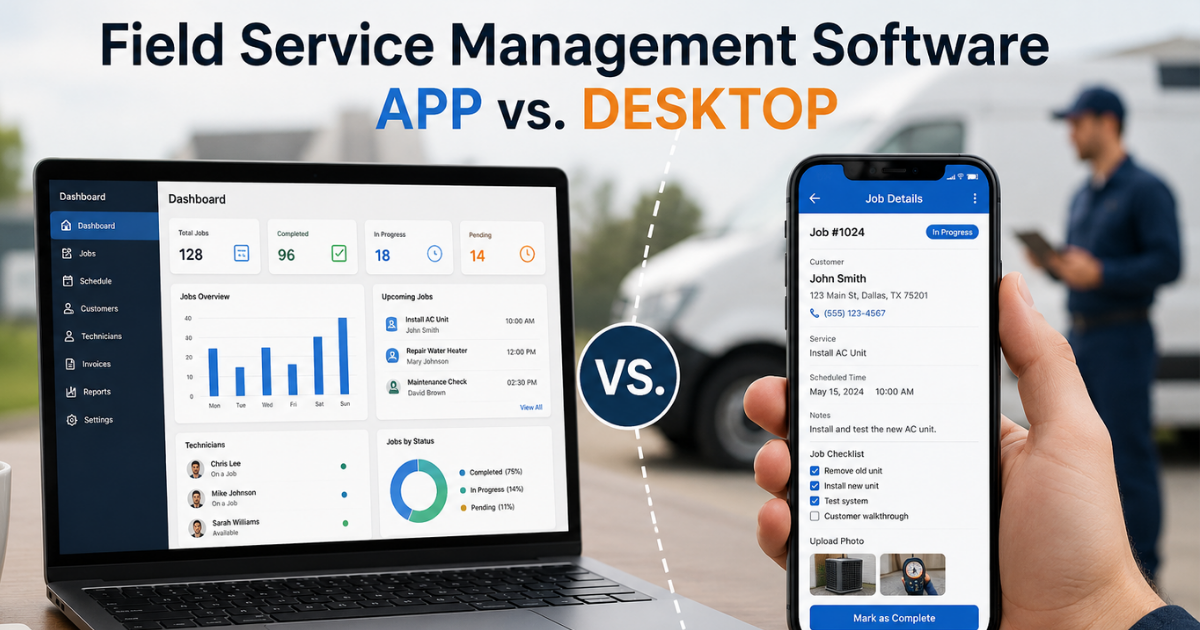
Managers get a live view of collections and settlements across the entire field team.
Key Features to Look for in Field Collection Tracking Software
Not all field force tools handle collections the same way. When evaluating a solution, look for these capabilities:
- Real-time collection logging — Field agents record payments instantly through a mobile app, not on paper.
- GPS and geofencing verification — Confirms the agent was actually at the customer’s location when the collection was logged, reducing fraudulent entries.
- Digital receipts — Automatically generated receipts improve transparency and reduce disputes.
- Custom collection forms — Capture payment mode, partial payments, outstanding balances, and customer remarks in a structured format.
- Live dashboards and reports — Give finance and operations teams a real-time view of total collections, pending settlements, and agent-wise performance.
- Settlement tracking — Match what was collected against what was deposited or handed over, flagging mismatches automatically.
- Route and beat integration — Link collection visits to planned routes so managers can see whether agents followed their assigned schedule.
- Expense and collection separation — Keep collection amounts distinct from field expense claims to avoid confusion during audits.
Geofencing confirms that a collection was logged at the actual customer location.
Best Practices for Managing Field Collections and Settlement
1. Standardize the Collection Process
Use the same digital form and workflow across all field agents, regions, and payment types. Standardization reduces confusion and makes reporting consistent.
2. Verify Collections at the Point of Contact
Require location tagging or photo proof at the time of collection. This creates an audit trail and reduces disputes about whether a visit actually took place.
3. Set Clear Settlement Timelines
Define how quickly agents must settle collected cash — daily, every 48 hours, or per company policy — and track adherence through the system rather than manual follow-ups.
4. Reconcile Daily, Not Weekly
Waiting a week to reconcile collections makes it harder to trace where a discrepancy occurred. Daily reconciliation catches issues while they’re still fresh and easy to resolve.
5. Give Managers Real-Time Alerts
Automated alerts for delayed settlements, unusually large collections, or mismatched amounts help managers act before small issues become larger ones.
6. Maintain Digital Records for Every Transaction
Paper receipts get lost. Digital records — timestamped, geo-tagged, and linked to a specific agent and customer — hold up better during audits and disputes.
How Field Force Management Software Helps
Manual processes can only go so far, especially as field teams scale across cities or regions. Field force management software brings collection tracking together with the rest of a field team’s daily activity — visits, routes, attendance, and reporting — into a single, connected system.
Businesses looking to simplify these processes can use field force management software such as FieldExecutives, which allows field agents to log collections directly from their mobile app, complete with location verification and digital receipts, while managers get real-time dashboards showing total collections, pending settlements, and outstanding amounts by agent or territory.
Field agents can log collections instantly, with location verification, right from their mobile device.
Because collection data is tied to GPS tracking and geofencing, businesses can confirm that a collection was genuinely made during a verified customer visit — not logged after the fact. This connects naturally with field visit management and route and beat planning, since collections are usually part of a broader visit or delivery schedule.
For finance teams, having collection and settlement data flow into real-time reporting means fewer manual reconciliation hours and faster visibility into cash position across the field force.
Note: the FieldExecutives URLs above are best-guess paths based on typical site structure — please verify or update them against the live site before publishing.
Who Needs Field Collection Tracking the Most?
Real-time collection tracking is particularly valuable for businesses where field agents regularly handle cash or receive payments on-site, including:
- FMCG and distribution companies collecting payments from retailers and distributors.
- Microfinance and lending institutions with door-to-door repayment collection.
- Utility and telecom providers collecting bill payments in the field.
- Field service and maintenance businesses collecting service fees at the point of delivery.
- Direct sales teams closing and collecting payment during customer visits.
If your business fits any of these patterns and still relies on registers, spreadsheets, or verbal reporting, the gap between collection and visibility is likely costing you time — and possibly money.
Getting Started With Real-Time Collection Tracking
Moving from manual to digital collection tracking doesn’t require an overnight overhaul. A practical approach looks like this:
- Map your current collection process — identify where delays and errors typically happen.
- Choose a system that fits your workflow — one that supports your payment modes, team size, and reporting needs.
- Pilot with one team or region before rolling out company-wide.
- Train field agents on logging collections consistently from day one.
- Set reconciliation and settlement rules within the system so they’re enforced automatically, not manually chased.
Businesses evaluating this shift can explore FieldExecutives pricing to understand plans suited to different team sizes, or book a demo to see the collection tracking workflow in action.
Conclusion
Field collection tracking isn’t just about knowing how much money came in — it’s about knowing it while it still matters. Delayed visibility into collections creates cash flow uncertainty, reconciliation headaches, and unnecessary risk, especially as field teams grow.
Moving to real-time collection tracking gives businesses a live, verifiable record of every payment, from the moment it’s collected to the moment it’s settled. This isn’t a small operational tweak — it directly affects how confidently a business can manage its cash position.
Platforms like FieldExecutives bring this visibility together with the rest of field operations, so collections aren’t tracked in isolation but as part of a connected, real-time view of the field team.